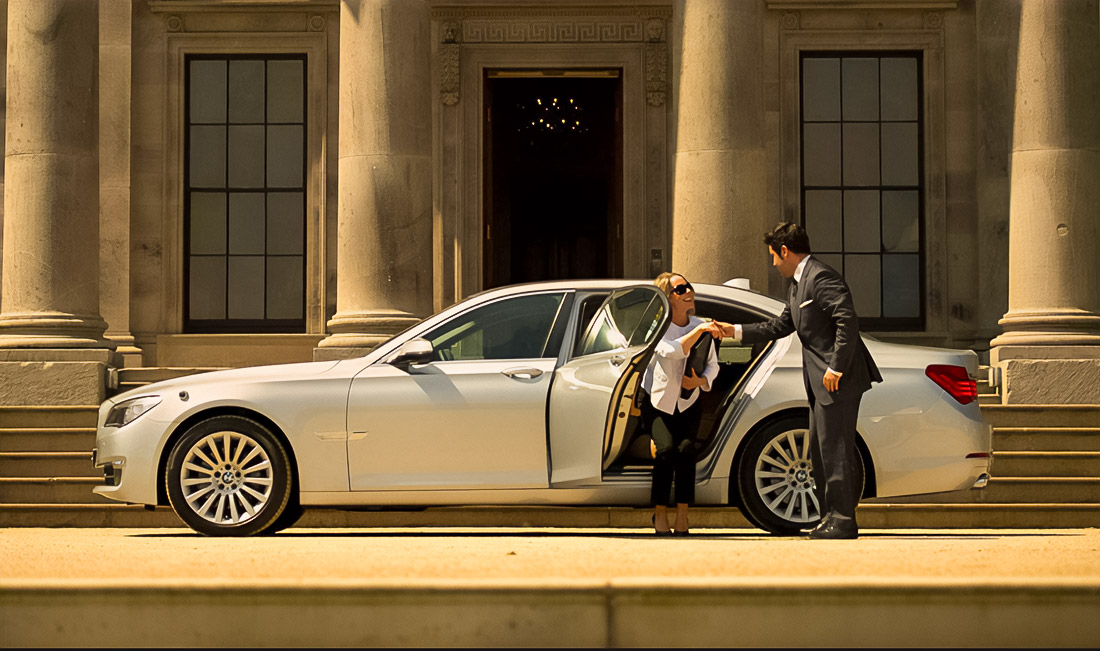
The climate here is far more than a scenic backdrop for travel photos. It actively shapes driving conditions, influences route planning, and determines why vehicle selection should never be an afterthought. Extreme heat, sudden downpours, coastal fog, strong winds, and long stretches of roads cutting through desert and forest all demand extra awareness from drivers. In Western Australia, these elements turn every journey into a test of preparation and focus. That is why every car hire perth experience depends heavily on choosing the right vehicle in advance—one that matches the terrain, the weather, and the distance ahead.
To ensure that renting a car does not turn into a struggle with the weather, but remains a pleasant part of the trip, it is important to look not only at the price and size, but also at how a particular car will cope with the wind, heat, rain and upheavals around Perth.
Summer Heat: When Temperatures Above 40°C Choose The Car For You

Summer in this region is almost continuous heat. Average temperatures are kept in the range of 17–31°C, but in January and February, days are almost common when the thermometer crosses the 30°C mark and approaches 40°C. There is little precipitation: about 16 mm in January, about 28 mm in February, and about 17 mm in March. Each such month gives an average of only 3–5 rainy days, so the roads are mostly dry and hard.
In this heat, when choosing a car, endurance rather than design comes to the fore. Long stretches of highway in the sun heat up the pavement and put a serious strain on the tires. Tire pressure increases, the risk of damage increases, and poorly maintained tires lose grip faster. Therefore, for summer rentals, it is especially wise to choose a car that understands the condition of the tires and has a pressure monitoring system, if one is provided.
The heat hits the engine too. In urban traffic jams, the temperature arrow moves up, and if the cooling system is weak, rest easily turns into a forced stop at the curb. For summer trips around Perth, a comfortable, well functioning air conditioner and a serviceable cooling system are not a luxury, but a necessity. In a dry climate with infrequent rains, you will spend a lot of time in the car: getting to beaches, nature parks and observation decks, where distances are measured in tens and hundreds of kilometers.
Rains, Fog And Wind: Safety Features To Look For In Your Rental

In autumn, the air gradually cools down. In April, temperatures stay in the range of 15.6–25.6°C, and by May they slip to 12.6–21.6°C. But the rains are intensifying. April brings about 41 mm of precipitation, May 113 mm and about 13 rainy days. For the first time in a long time, the road is covered with a stable water film, and drivers have to re-remember what aquaplaning and slippery asphalt are.
Winter is cool here, but not harsh. In June, the average temperature lies between 10.6 and 19.3°C, and in July between 9.4 and 17.9°C. These months bring the maximum precipitation: 173.8 mm in June and 165.5 mm in July, with the number of rainy days reaching 16–17.5. It’s a little easier in August: about 109.9 mm and about 16 rainy days, but the roads are still wet and the puddles are holding up.
With such statistics of precipitation and rainy days, choosing a car is no longer an abstraction. The first heavy rains after a dry summer mix with the accumulated oils on the asphalt, and the surface becomes especially slippery. During these periods, aquaplaning is no longer an educational term, but a real risk: the car can literally float on a thin layer of water. When renting, this means that you should give preference to those cars where the tires have a deep enough tread and there are modern stabilization and anti-lock systems.
Fog and smoke haze on the coast and near natural areas reduce visibility, especially at dawn and dusk. Headlights, moderate speed, and readiness for sudden obstacles are important here: turns, local lowlands, and animals jumping out onto the road. Gusty winds in open areas literally push the car to the side, so you have to hold the steering tighter than usual.
In such an environment, bright, serviceable headlights, good visibility and wind resistance will be useful. A taller and lighter car can react more strongly to gusts, while heavier models and crossovers often feel more stable in open areas, especially where the onshore wind accelerates to noticeable gusts. If you are planning evening trips to the coast or to natural areas, it is worth considering in advance how friendly the chosen car is with the wind and poor visibility.
Hills, Long Distances And Outback Roads: Matching Size And Power To The Landscape

Spring brings back light and dryness. In September, the temperature reaches 11.4–20.8°C, in October 12.7–22.3°C, in November 15.1–25.3°C, and precipitation decreases from 78.3 mm to 44.4 mm and further to 33.1 mm. The number of rainy days drops to 9–13, and the roads gradually become firm, clean, and almost summery.
The peculiarity of this region is the combination of long trails, remote areas and powerful natural areas. Trips take you past beaches, along the ocean, through national parks, forests, limestone caves. The driver constantly balances between the desire to admire nature and the need to monitor road conditions.
Long distances increase the influence of climate. It can be tens or hundreds of kilometers to the next settlement, and during the day the temperature easily rises to 30–40°C. Therefore, the supply of water, thoughtful preparation of the car, regular checking of tires and brakes become not a recommendation, but the norm.
Add to this the hilly areas around the city, the ups and downs, and the winding sections of roads, and it becomes clear that a subcompact with an overloaded trunk will not suit every route. More powerful cars with good traction and sufficient ground clearance feel more comfortable for hill trips, trips to national parks and trips to remote viewing points.
The climate, seasons, monthly values of temperature and precipitation, road conditions and visibility form a single field of solutions. You can’t ignore the weather here. Each route is built taking into account the numbers, seasons, wind, rain, heat and those longest sections of the route that do not forgive carelessness and it is these factors that should underlie which car you rent if you want a trip to be remembered for the views, not the struggle with the road.

Hiking addict, dreamer, band member, Vignelli fan and TDC honorary member. Acting at the intersection of aesthetics and programing to craft experiences that go beyond design. I prefer clear logic to decoration.